Why Rugby Has Forwards and Backs
Why rugby has forwards and backs becomes clearer when you track the scrum, the scrum-half, and the players set behind the contest as play unfolds.
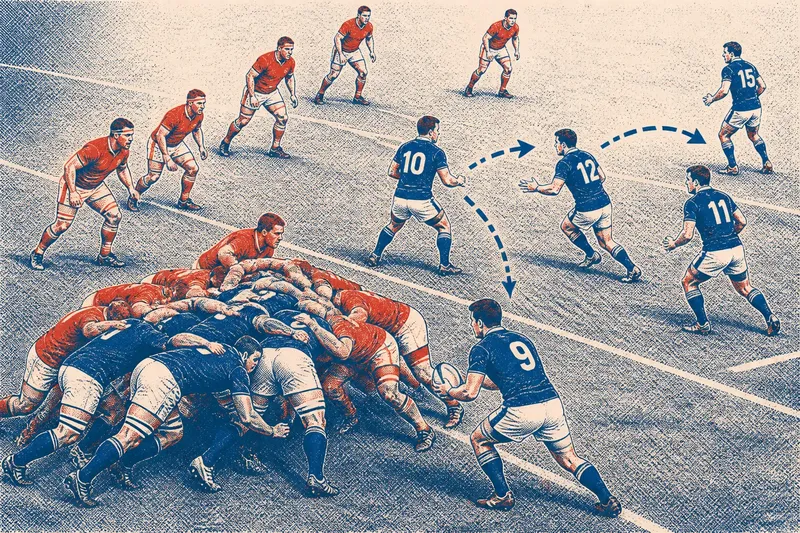
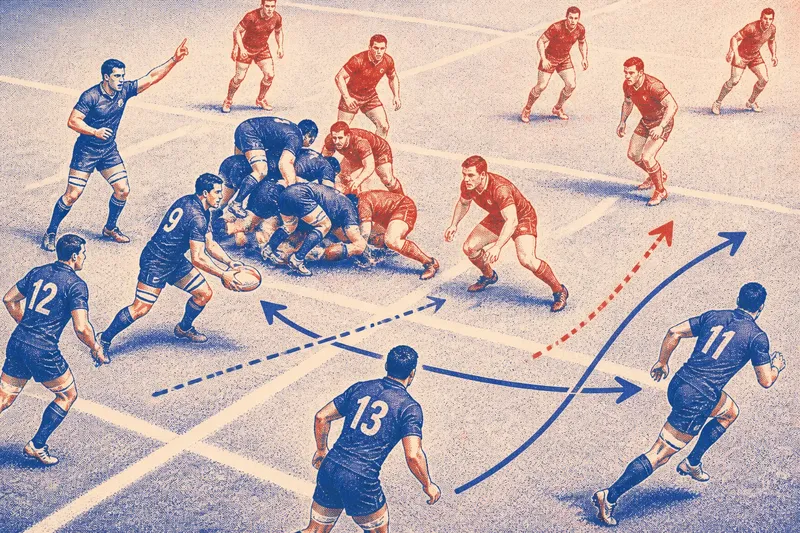
At a rugby match, a scrum forms and the players behind it spread across the field. The forwards contest the ball; the scrum-half waits at the back of the scrum, and the other backs set up to receive a pass or cover a kick. Why rugby has forwards and backs is easiest to see in that arrangement: the labels name two parts of a team’s structure.
What does the division explain?
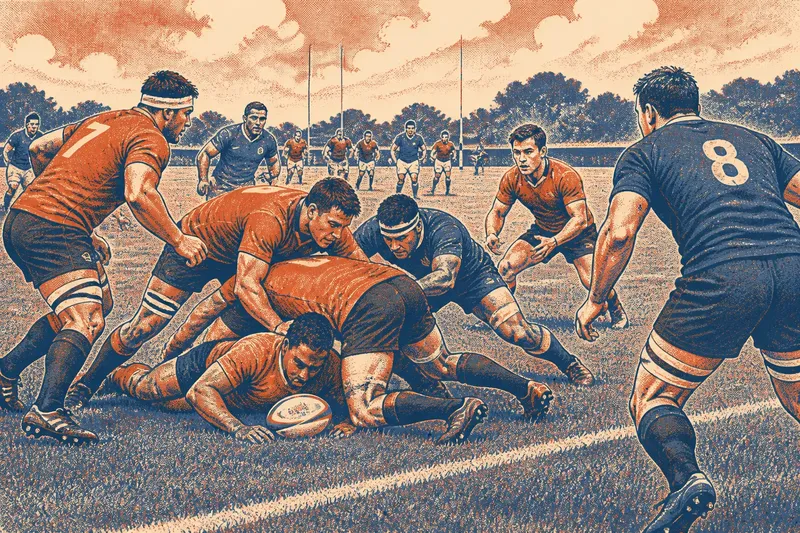
Forwards make up the pack used at scrums and other close contests. Backs are arranged behind the pack to handle the ball and cover space. The distinction helps a viewer read where a team is organizing its players and what options may be available next.
It is a tactical arrangement, not a ranking. The forwards and backs have different starting positions and familiar responsibilities, but the labels do not assign exclusive rights to carry, pass, tackle, or kick.
How do the positions fit together?
The pack includes props, locks, flankers, and the number eight. The scrum-half works close to the pack, retrieving the ball and linking it to the backs. The fly-half usually offers a further decision point, while centres, wings, and the fullback occupy the wider or deeper parts of the back line.
These names help identify a player’s usual place in the lineup. They are most useful when viewed alongside the ball: a scrum-half beside a scrum has a different immediate task from a wing waiting out wide, even though both are backs.
What should you look for at a scrum?
Start with the pack’s contest for possession. Then find the scrum-half at the back of the scrum and note where the fly-half and other backs are positioned. Their spacing gives a clue to the options the team is preparing, such as passing across the line, carrying close to the scrum, or kicking.
Say you are watching a team with the ball at a scrum near the middle of the field. The scrum-half picks it up and passes to the fly-half, who sees a defender closing the inside channel and passes outward to a center. Watch whether that pass gives the center room to attack or draws defenders toward the wing; the visible result is the defense’s response, not an assumed break in the line.
What do viewers often ask about forwards and backs?
Are forwards always bigger than backs?
Teams select players for the demands of their positions, but size alone does not define either group. A lineup may include a powerful back or a mobile forward.
Why is the scrum-half a back?
The scrum-half is classified with the backs, though the player works close to the pack. The position links the scrum’s possession to the team’s next attacking or kicking choice.
Can a forward pass or a back join a scrum?
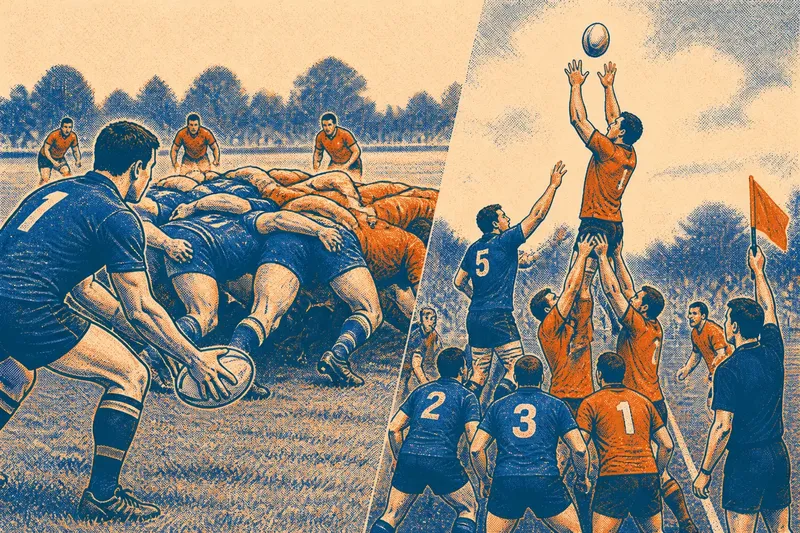
Forwards and backs can both carry, pass, tackle, and support in open play. A scrum, however, is formed by the forwards rather than the backs.
How can I tell which players are backs?
Use the lineup and their setup as clues: the scrum-half and fly-half, centres, wings, and fullback are backs. During play, watch the players positioned behind the scrum or spread across the field rather than relying only on jersey numbers.
What should you watch after the scrum?
Track the ball from the pack to the scrum-half, then see which backs offer a passing option and how defenders adjust. This gives the division a practical meaning without turning it into a rule about who may perform each action. For anyone asking why rugby has forwards and backs, the useful answer is that the labels make the team’s initial arrangement easier to read; the ball decides what happens next.