The Myth of the One Perfect Rugby Position
Rugby positions make more sense when you read them through the phase. See how to identify a player’s immediate task in attack, defense, and broken play.
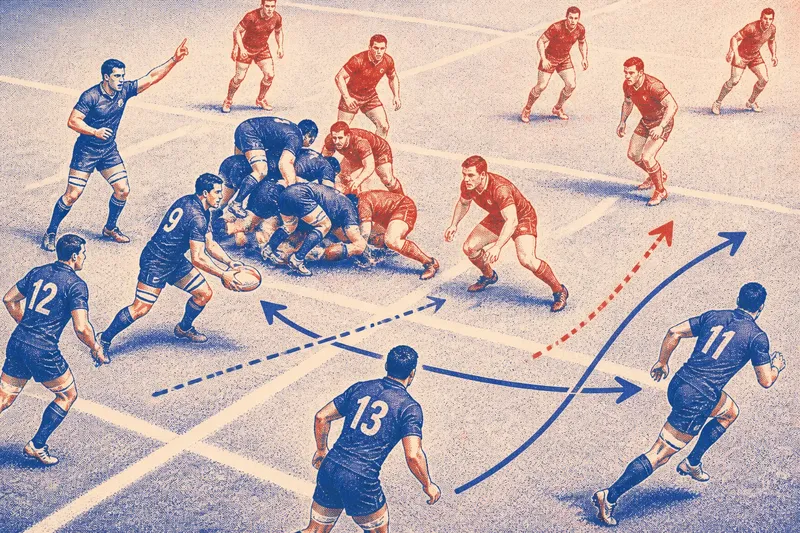
A scrum-half collects the ball beside a ruck, sees a gap, and runs. The fly-half signals behind them, while teammates adjust their lines. Rugby positions offer clues, but the phase tells you what each player needs to do next.
A position describes a player’s usual responsibilities and the skills they bring. It does not explain every movement in a match. To read a player’s role, watch the ball, the space around it, and the team’s immediate problem.
What does a rugby position tell you?
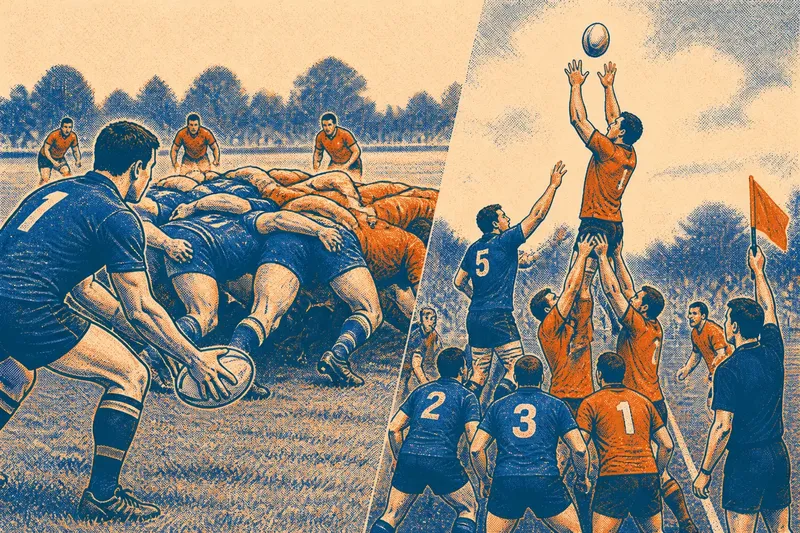
Position is a useful starting point. A prop is prepared for scrums and contact; a lineout jumper is selected for timing and coordination; a halfback commonly handles decisions near the breakdown. Those specialties help explain why a player is placed where they are.
But the position label is not a play-by-play description. The same player may be asked to carry, pass, support or cover space, depending on where the ball goes. Look for the responsibility in the current phase rather than assuming the player has left their role by moving somewhere unexpected.
How can you read roles in attack?
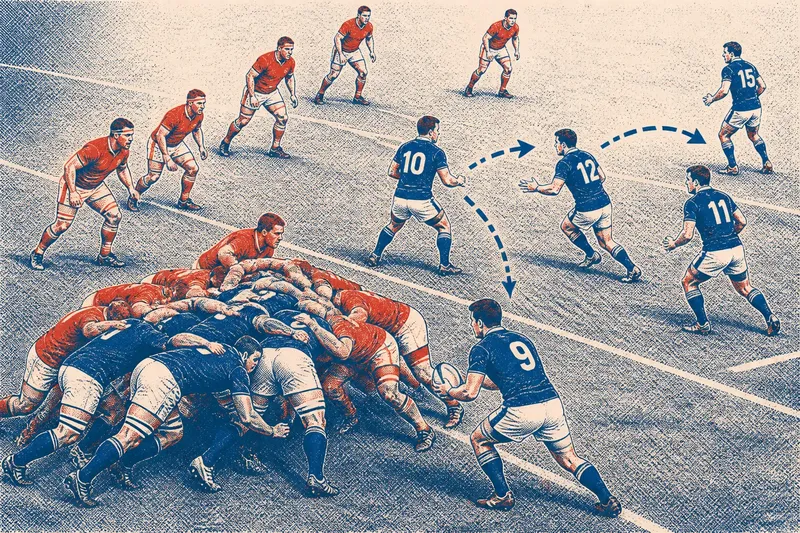
In a settled attack, watch how the team connects possession from one phase to the next. The scrum-half often moves the ball from the breakdown. The fly-half may direct a pass or kick. Centers and outside backs can threaten space farther across the field, while forwards may offer close support or carry into contact.
Those patterns change when the defense disrupts the plan. A player may take a short pass near the line, or a teammate may run support after a break. The useful question is not “Which position should do this?” but “What option does the carrier need right now?”
Say a team is attacking near the touchline, and its outside back has the ball with a defender closing in. Imagine the nearest forward turns toward the carrier while the scrum-half stays behind the contact. The forward offers a short passing option, and the scrum-half remains available to move the ball again if possession is retained. The tradeoff is that fewer players may be immediately available farther out.
What should you watch in defense?
Defensive shape is about covering threats. Players align across the field, track the attack and respond as the ball moves. A player positioned wide may be responsible for stopping an attack on that edge; another may stay deeper to cover a kick or a break through the line.
After a tackle, notice who protects the ball area, who returns to the defensive line and who remains behind it. These movements reveal the team’s immediate priorities. A player’s position can suggest a likely task, but their location and the attackers in front of them make the decision easier to read.
What happens when play breaks down?
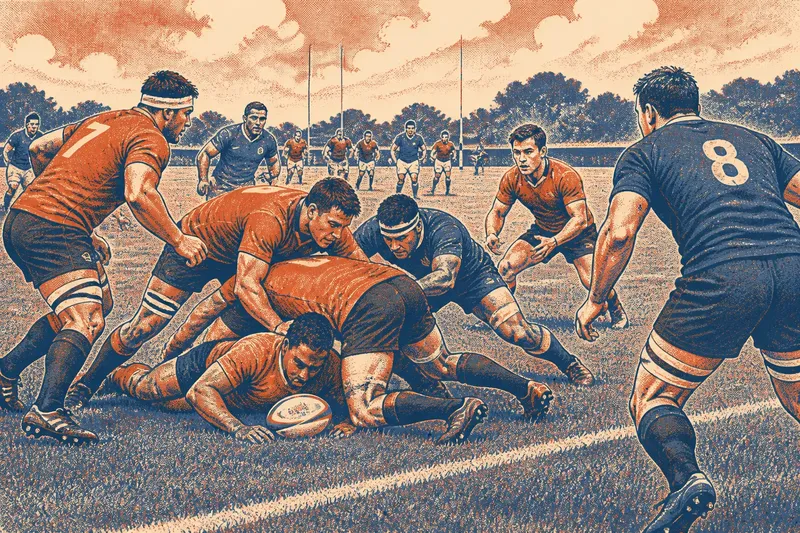
A loose pass, a sudden break or a change of possession can scatter the planned shape. Nearby players react to the new problem: one may chase the ball, another protect open space, and another hold back in case the other team gains possession.
In these moments, location matters. The player closest to a loose ball may be best placed to secure it. Someone behind the play may be the only cover against a counterattack. Watch what each person can reach and what danger they are trying to prevent.
How can you identify a player’s immediate task?
Start with the ball, then scan the nearest space and teammates. Ask whether the team is trying to keep possession, move the defense, gain territory or prevent a counterattack. Then check which player is positioned to help.
- Ball connection: If one player repeatedly receives the ball from a breakdown, then watch them as a possible organizer of the next phase; if someone else takes the ball, follow that player instead.
- Support line: If a teammate follows the carrier closely, then look for a short pass or support at contact; if the teammate stays wide, watch for an option across the field.
- Deep cover: If a player retreats behind the defensive line, then look for coverage against a kick or break; if nobody stays deep, expect the defense to rely on its line to stop the attack.
- Open space: If a player moves into an uncovered channel, then watch for a pass or run toward that space; if a defender closes it, look for the attack to redirect.
- Role replacement: If a player leaves a position in the team’s shape, then check whether a teammate fills the space; if no one does, watch for the opposing side to target that gap.
- Possession change: If the ball changes hands, then follow the nearest players as they switch from attack to defense; if possession stays with the same team, track how they rebuild their attacking shape.
Why might a player move away from their usual position?
Why is a prop carrying the ball in open play?
The prop may be the planned carrier or simply the player best placed to take the ball into contact. Watch whether nearby teammates offer support for the next phase.
Why has the fullback joined the attack?
The fullback may be adding a passing option or running from behind the main line. Check whether another player has moved back to cover the space the fullback left.
Why does a scrum-half sometimes run instead of pass?
A gap near the breakdown may make a run more useful than an immediate pass. Look for supporting teammates and defenders who could close the opening.
Can a player’s immediate task change from one phase to the next?
Yes. A player may carry, support a teammate and then defend after possession changes. Follow the ball and the surrounding space to see what the next phase requires.
How should you use position names while watching?
Treat the position as a clue, not a verdict. A fly-half might direct an attack, cover behind the defensive line or chase a kick. The reason for the movement becomes clearer when you connect it to the ball, the available space and the next phase.
That is the useful way to read rugby positions: recognize each player’s specialty, then judge the action in front of you. If a movement seems unusual, check what problem it solves before calling it a mistake. The shape of the play usually leaves a better clue than the name on the team sheet.